Carport design types or styles
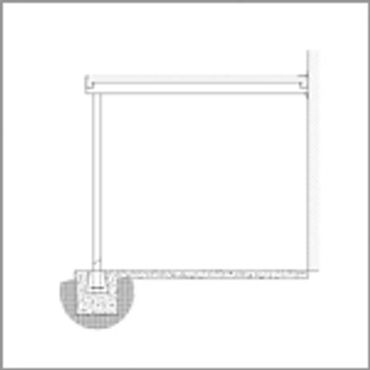
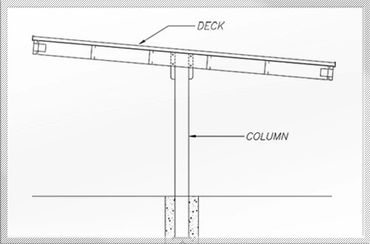
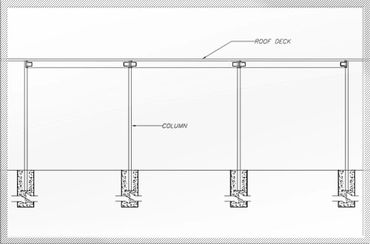
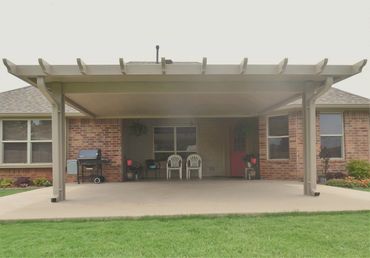
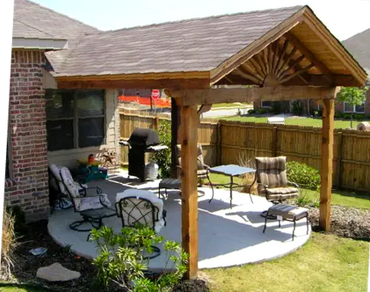
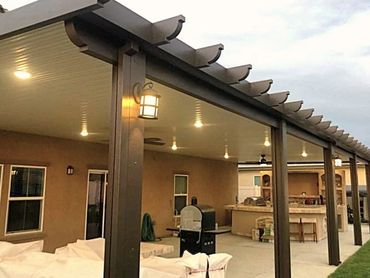
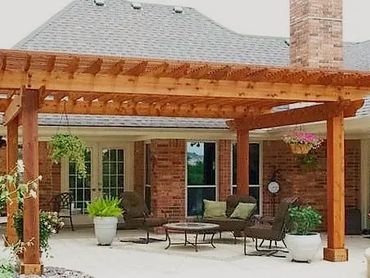
.jpg/:/rs=w:370,cg:true,m)
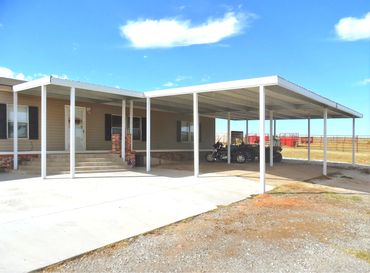
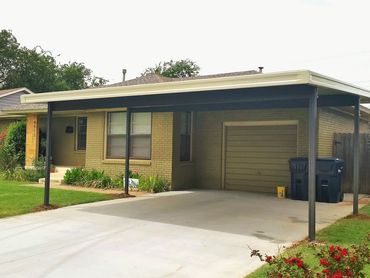
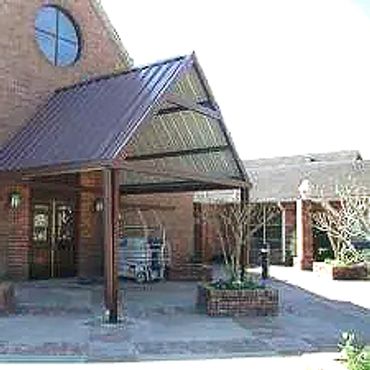
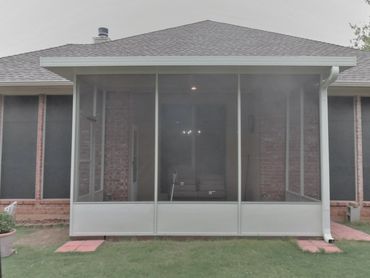
Roof Designs

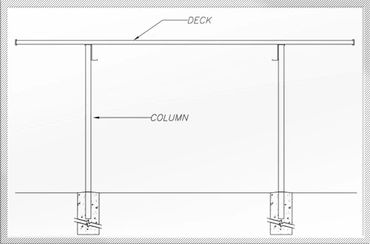
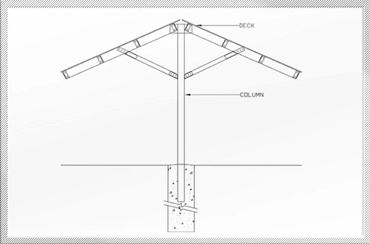
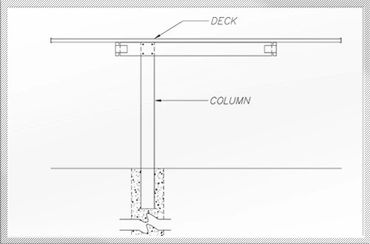
Most canopy roof designs feature a single-sloped, or shed-style, structure to help water run off efficiently. They may or may not include an overhang or cantilevered extension. Other styles, like gable or hip roofs, can be built using pre-designed, engineered trusses made from wood or metal. Without trusses, gable or hip roofs are custom-built with individually cut rafters.
A carport, patio cover, pergola, screen room, or sunroom can be a great addition and investment for your home. They provide shade and shelter for your outdoor space, along with protection from the sun and rain. Before rushing out to get one, it’s important to know a few things. These structures vary in size, style, and price. You’ll want to think about the materials you prefer and whether you want a built-in or add-on design. Your budget plays a big role in determining what type of structure you can build, so discussing it upfront helps save everyone’s time.
1 - Budget
2 - Function
3 - Size
4 - Designs
5 - Materials
6 - Permits
7 - Upgrades
Three sections when building any type of shed or sinle slopp

Under Canopy Framing Beams
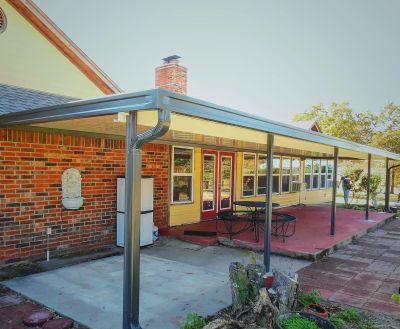
The canopy frame is the backbone of any construction, made up of poles and beams that come in different sizes and various different thicknesses. In our projects, we always use well-designed beams that can handle heavier loads and provide dependable support during high winds and snow load events.
We prioritize doing the job right by using engineered materials specifically designed for their purpose, even if it means we may be presenting a higher price to the customer to build it correctly. In Oklahoma, with our strong winds and occasional snow or ice, you need a structure built to last, not hastily constructed with unsuitable building materials.

Poles Members
The poles are single most important part when building any type of structure. That is what does all of the heavy lifting and supports the structure. There are various different types of poles made from different types of building materials. These poles are available in different thicknesses and can withstand various different specifications.
There are various different steel posts that are rolled into its final shape and form that are available in various different colors and sizes as well as lengths. then are steel tubing posts that are available in different gauges such as a 3x3 or 4x4 red primed steel that should be painted
Then there are various different extruded aluminum posts in various different sizes and thicknesses as well as color options. A thick wall aluminum post is normally .125 thickness which is about 1/8" inch thick posts.
3x3 Lock seam galvanized steel painted fluted posts are also available

Canopy top coverings and its associated trim.
The canopy top coverings and its trim add the finishing to touches to any canopy framing members. Different types of canopies require different types of building materials that are available in different thicknesses and color options from various different building materials providers.
While every type of canopy top has its pros and cons, we are custom builders with over thirty years of experience, offering a wide range of materials like steel, aluminum, wood, Structural Insulated Panels (SIPs), poly, and composites—not just a single option like most other builders offer.
Our offerings are not limited to a single type of building material. We are proficient in utilizing a variety of building materials and often combine them when constructing a particular type of canopy.
And of course, its color.
Let us know your ideas!
Truss Roof Design -Trusses can be built out of Wood or Steel

Truss Roofs - Metal or Wood
A truss roof is a pre-design roof system that are made from various different wood or steel composites with various different pitches of rises. The trusses are normally design and made off site and trucked to the build site.
A roof truss is best described as a structural framework of timbers that's designed to provide support for a roof. They're also used to bridge the space above a room. They typically occur at regular intervals, and they're linked by horizontal beams known as purlins.
Though both stick or timber framing rafters or using per designed and engineered truss framing are triangles in shape, the trusses have more triangle webs inside the principal frame. Rafters consist of sloping outer beams which provide support. As the trusses come with a web of triangles inside the main frame, they provide more support than rafters.
There are also "lattice beams" that are manufactured by using structured steel tubing then coated, that are used in a lot of wood structured poles barns. These lattice beam can be ordered and manufactured then shipped. For standard orders allow 4 weeks for special ordered beam allow 6 weeks for delivery.
Sketch / Before / After



Things to consider when building a carport, patio cover, pergola or pavilion structure
1 - Free Standing or an Attached type of structure?
This question is the first and best way to start distinguishing between these outdoor structures. If your project is freestanding, then it is either a pergola or patio cover. A patio cover can also be attached like an arbor (we’ll go into that difference in question two). Arbors will have posts or columns on one side and be connected to a home/building on the other side. This can be a point of confusion because many blogs, images, and descriptions refer to arbors as being freestanding arches or gateways to a garden or backyard. Some municipalities might require a structure to be attached.
2 - Rafters or a Truss Roof?
Pergolas and arbors use posts connected by joists and rafters for shade and stability, but those rafters don't keep rain or the elements out. It is an open-air type of roof structure.
3- Size of the structure -
This is sort of a trick question: there are no size guidelines differentiating arbors, pergolas, and patio covers. All three structures can be small or expansive based on what you want.
4 - What type of building material is to be used.
5 - Any type of top canopy covering. Today people may want to be look a rustic pergola but still may want to cover with wood, metal or a ploy type of materials.
6 - The color of stain / sealer / paint
7- Cobels and Rafter Tail ends details (Pergola, Arbors)
You won't have to worry about anything, except maybe getting your guests to leave!
Carports and Patio Covers of Oklahoma
www.carportsandpatiocoversofok.com
405-832-0444

Darker-colored metals generally absorb more heat than lighter-colored metals because they absorb a greater portion of the incident light energy, especially across the visible and infrared spectrum.
How Color Affects Heat Absorption
The absorption of heat by a material is strongly influenced by its color and surface finish. Dark colors, including black and deep shades, absorb most of the visible light and convert it into thermal energy. Light colors, such as white or silver, reflect much of the incoming light and therefore absorb less heat.
- Dark metals absorb more radiation due to their lower reflectivity. This results in a higher temperature increase under the same exposure to sunlight or heat sources.
- Light metals reflect a larger fraction of light, making them slower to heat up.
🌡️ How Dark Colors Actually Affect Metal (Without Affecting Warranty)
- Higher heat absorption Dark colors run hotter — often 15–25°F hotter than light colors. This doesn’t void a warranty, but it can:
- Increase thermal expansion
- Make oil-canning slightly more visible
- Increase fading over many years
- More noticeable fading All painted metal fades over time. Dark colors simply show fading sooner. Manufacturers know this, so they still fully warranty dark colors under their standard fade & chalk coverage.
- No impact on structural warranty The frame, panels, and roof warranty stay the same regardless of color.
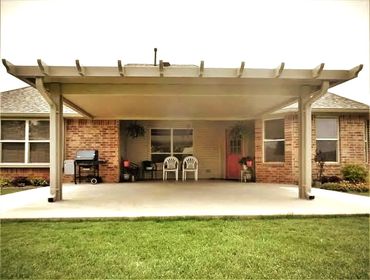
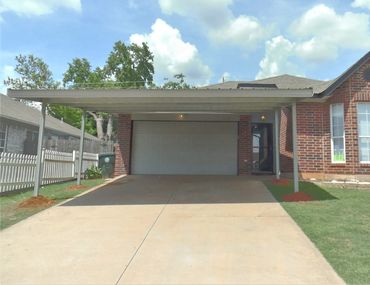
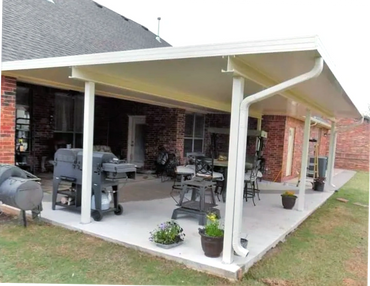
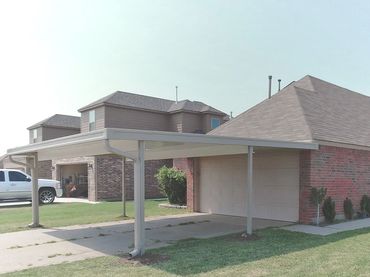
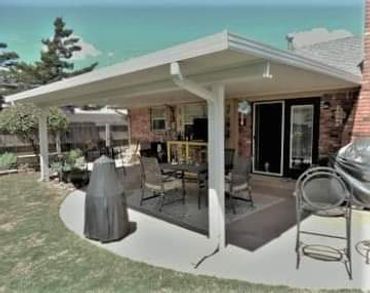
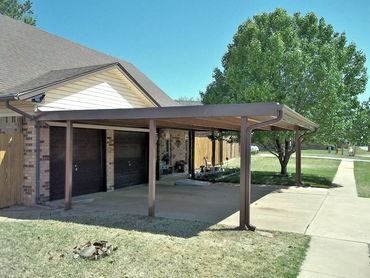
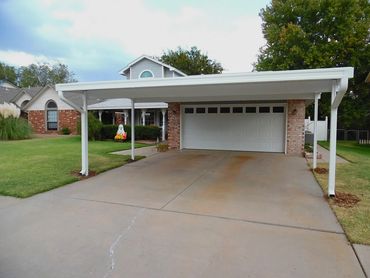

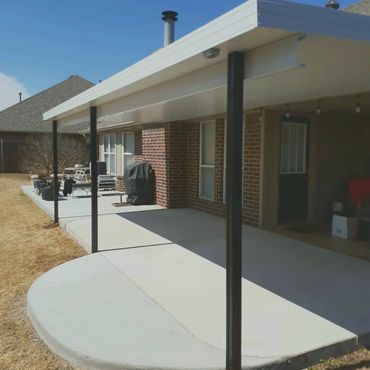
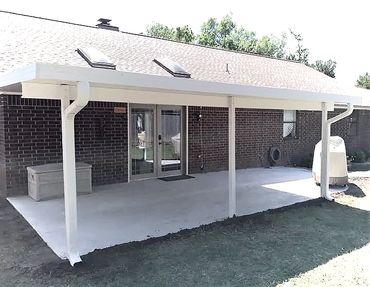
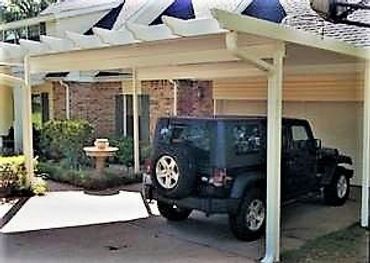
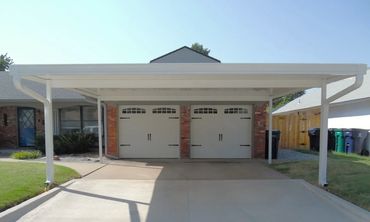
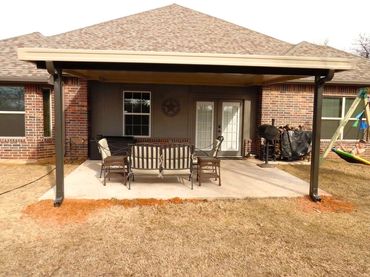
Open Span = The distant between the poles
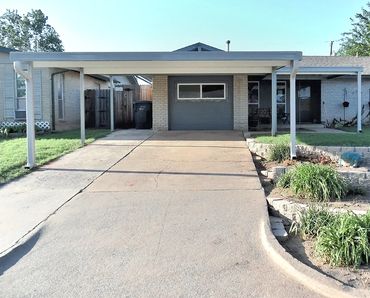
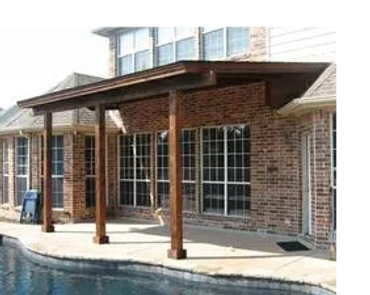
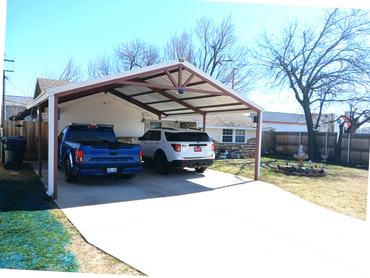
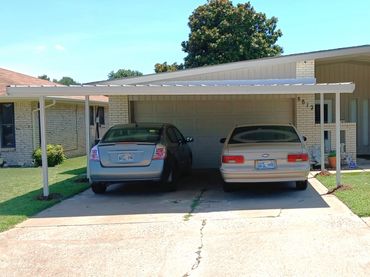
The design of structure is very important, and it largely depends on the placement of poles in any type of canopy. The general rule of thumb is to place poles every 10 feet of open span, but this isn't always feasible. In such cases, heavier and larger poles and beams are required to span greater distances.
Engineering often involves designing canopies with larger metal beams or wooden LVL beams or trusses to safely cover longer spans between poles. Additionally, the poles may need to be increased in size and thickness. After all, the poles and beams handle all the heavy lifting in any structure.
An 8-inch C-purlin can span up to 25 feet, but the maximum span depends on several factors, including the purlin's gauge thickness, the purlin spacing, the load it needs to support (like snow load), and local building codes. For critical structural applications, a structural engineer should always be consulted to ensure safety and compliance with local codes. Factors that influence the span,
- Gauge thickness: A thicker gauge will be stronger and can support a longer span.
- Purlin spacing: The distance between each purlin affects the load each one must carry. Closer spacing means a purlin supports less load and can therefore span a greater distance.
- Load conditions: The weight the purlin must support, such as the weight of roofing materials, snow, or other forces, will dictate the maximum allowable span.
- Local building codes: These codes provide specific requirements and safety standards that must be followed, which may limit the span beyond general guidelines.
Example spans for different 14 ga purlin sizes for roofs:
- 4-inch C-purlin: Up to 12 feet
- 6-inch C-purlin: Up to 20 feet
- 8-inch C-purlin: Up to 25 feet
- 10-inch C-purlin: Up to 30 feet
Recommendation:
While 25 feet is a common maximum span, it is crucial to verify the exact span with a structural engineer for your specific project to account for all variables and ensure the structural integrity of your building. Just because they might sale a longer spans C or I beam purlins doesn't mean it is safe to use it.
Carports and Patio Cover of Oklahoma
www.carportsandpatiocoversofok.com
405-832-0444
Preparing the surface for the installation.
Surface mounted, Into the ground in a concrete pear or core drilling the surface?
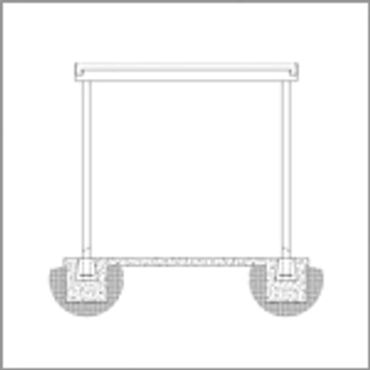
Most of the time we are boring a pear hole into the ground and placing the poles of a structure into that concrete pear to meet local code requirements. Some of the time it can be surface mounted using various different pole brackets. It is never recommended that all of the poles of any canopy structure be all surface mounted as you could have a lot more lateral swaying within the structure during higher winds. Any appreciable lateral or side-ward movement of top of a vertical member relative to its bottom is called side sway, sway or lateral drift. It is away wise to use a bigger and stronger pole to keep any swaying from happening as well. It is always best when the poles place into a concrete pear if at all possible. Sometimes it is best to core dill the concrete surface or if it is asphalt or concrete surface it might be best to install with a larger concrete landing pear and while concrete coring works for residential jobs might be a simple as renting a machine and a bit to do the job, commercial projects benefit from a more experienced concrete drilling professionals with specialized boring equipment.

What is the difference between an Awning and a Canopy?
An awning that is attached to a building over a glass window or door with top support often called structs. Meanwhile, a canopy is a structure that is supported with that has posts or it has legs below that is supporting the structure.
Carports and Patio cover of Oklahoma
www.carportsandpatiocoversofok.com
405-832-0444
Why You Should Consider using an Architect
Design Engineers
An architect offers a range of benefits that can help elevate your project, such as:
- Design Expertise: Architects provide creative solutions, adding value and functionality you may not have considered.
- Planning Knowledge: They guide you through the planning process, especially for listed buildings or conservation areas.
- Technical Expertise: Architects ensure compliance with building regulations and advise on energy efficiency and health and safety.
- Project Coordination: As lead consultants, they integrate all elements of the design and construction.
- Access to Contacts: Architects often have trusted networks of builders and suppliers.
- Project Management: From design to completion, architects can organize building contracts and oversee program and budgets.
- Professional Standards: Architects are regulated by the Architects Registration Board (ARB), meaning they adhere to a strict code of conduct and carry Professional Indemnity Insurance (PII).
How much does a design cost? Starts with a 3D Design which might cost as low as $1,000.00 or can run as high as $2,500.00 for a design professional.

It Summer, Time to beat the heat sale.
If you got a project and you want to get the good stuff cheaper then give us a chance to bid the project and save. We don't just one type, one size, one size, one design we build them all. Call us today and save!